
About us
“Silk Road” International Research Institute
“Silk Road” International Research Institute was established in accordance with the Decree of the President of the Republic of Uzbekistan dated October 30, 2021, No. PP-5270 "On measures to further improve the system of continuous training of qualified personnel in the field of tourism, cultural heritage, and museology." The institute began its work in March 2024.
The Institute operates as a leading international research center in Uzbekistan, specializing in the study and promotion -
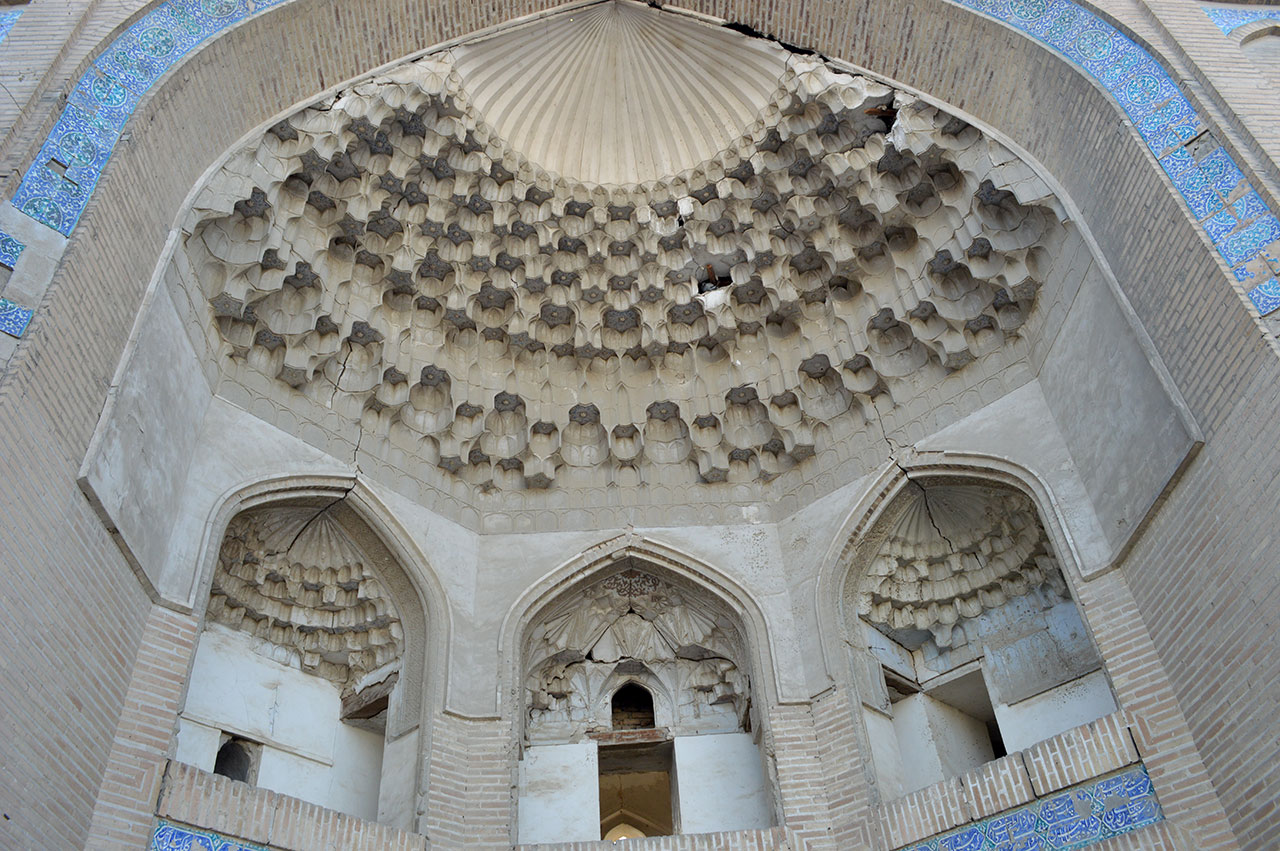
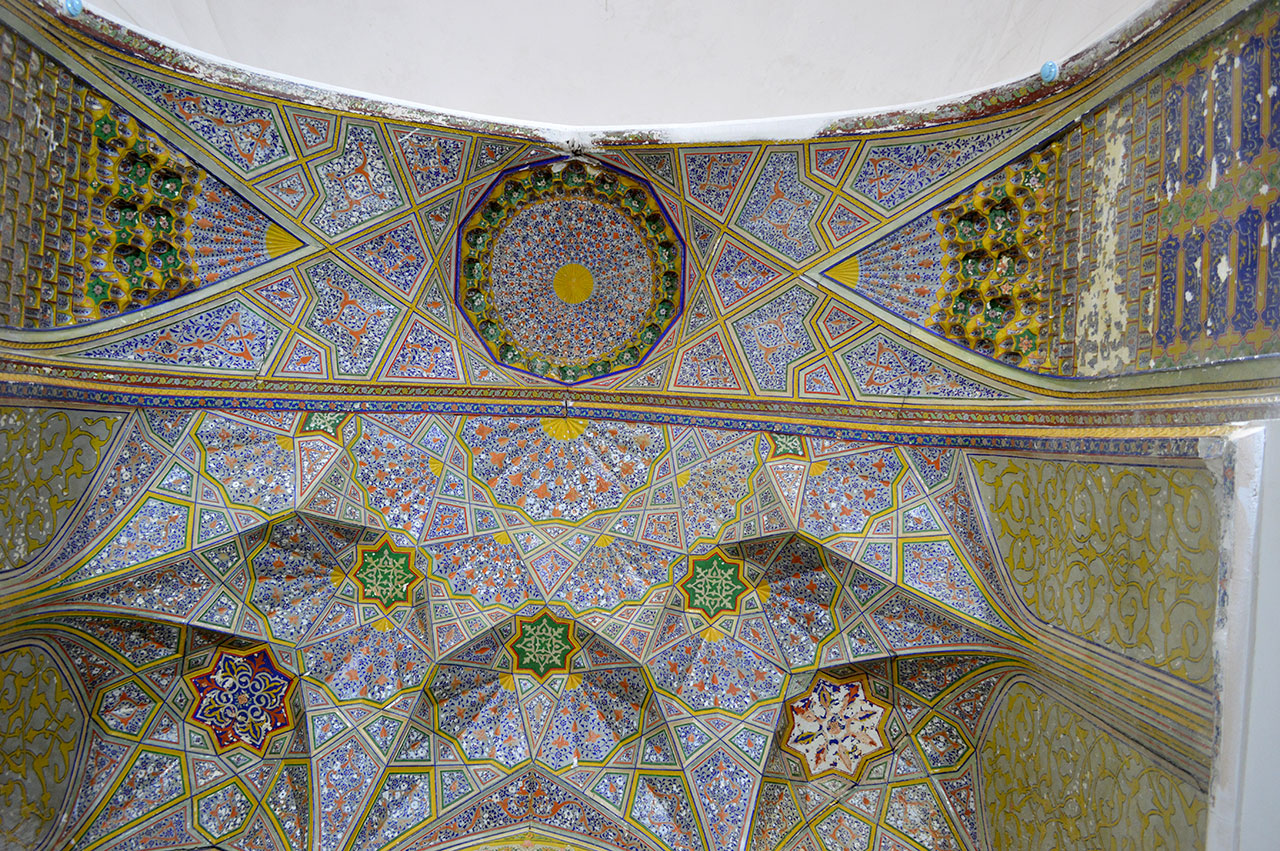
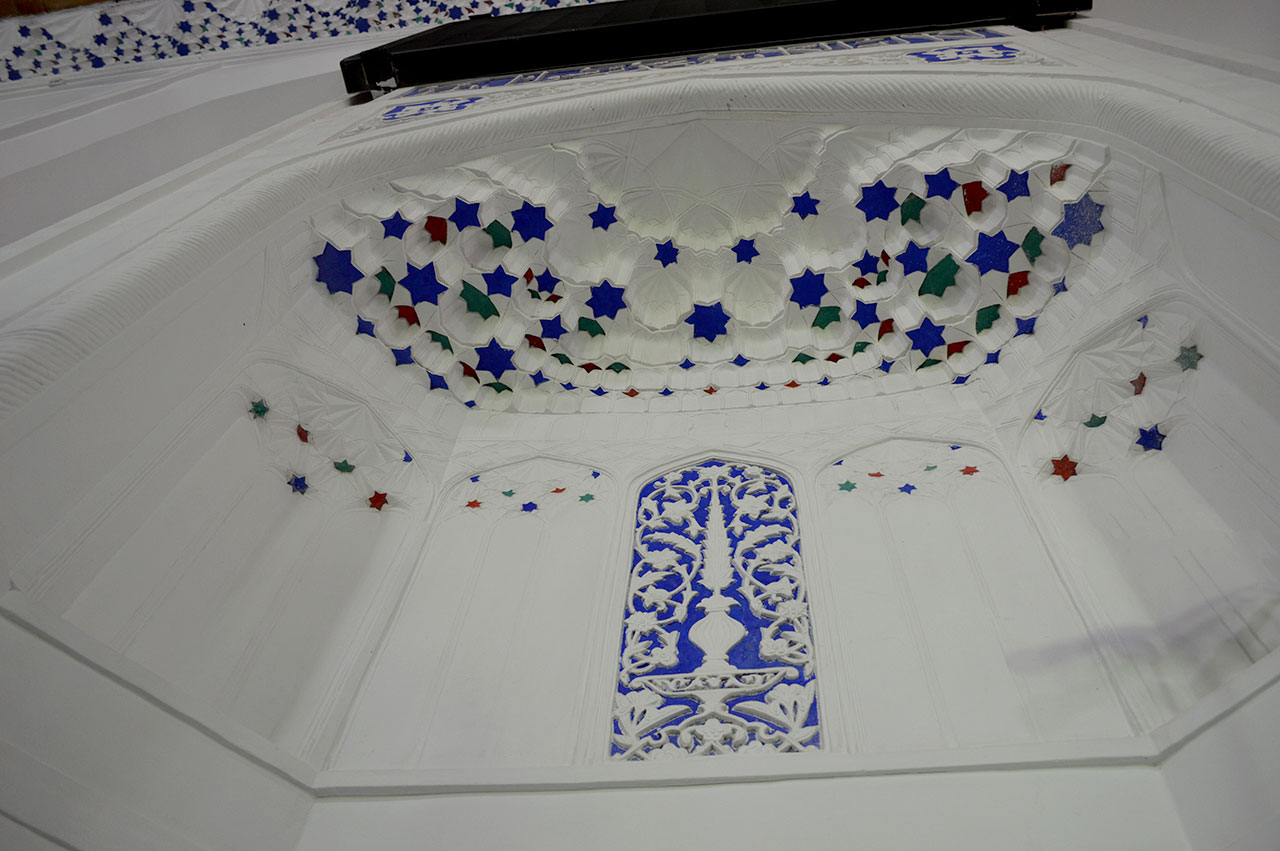
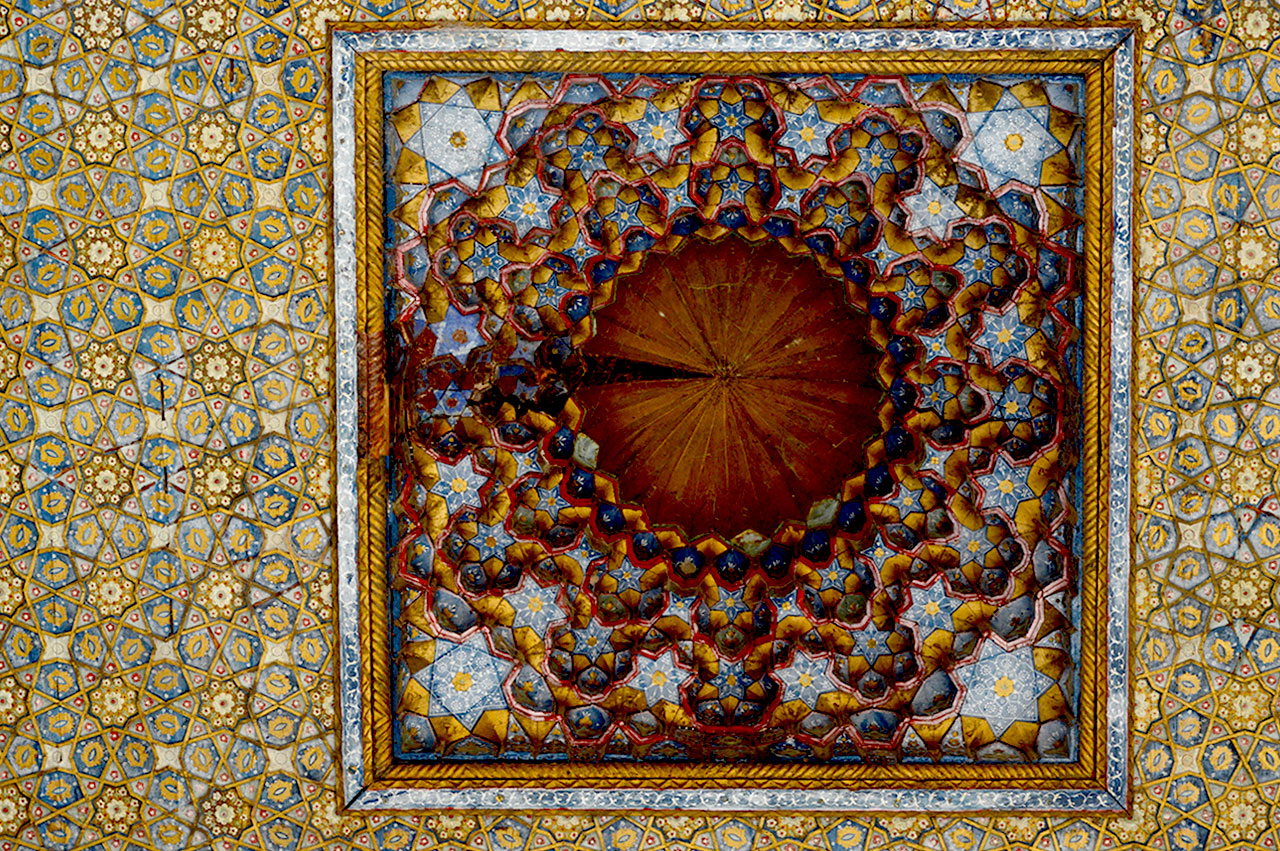
of the history of civilizations and material cultural heritage of Silk Road countries. The main areas of activity include both theoretical and practical research in the following fields:
- Architecture and urban planning of historical cities;
- Restoration and preservation of immovable cultural heritage;
- Traditional and contemporary issues in the restoration, conservation, and museification of architectural and archaeological monuments;
- Modern methods of preserving and promoting the material cultural heritage of Silk Road countries.
Goals of the “Silk Road” International Research Institute:
- Fundamental and applied research on the architectural heritage of historical Silk Road cities.
- Study of traditional restoration methods, conservation issues, and rational use of architectural monuments in Silk Road countries.
- Study of cultural heritage sites along the Silk Road as a basis for the development of historical-cultural and pilgrimage tourism.
- Study of archaeological sites along the Silk Road, methods of their conservation, and museification.
- Development of innovative methods for studying and preserving cultural heritage objects in Silk Road countries.
- Preparation of an expanded, updated version of the "Compendium of Architectural Monuments of Uzbekistan," in volumes by administrative regions.
Upcoming Tasks of the Institute include:
- History and methodology of the restoration of architectural monuments in Central Asia.
- Using GIS (Geographic Information Systems) in identifying the planning structure of Charbagh gardens from the Timurid era and making proposals for the architectural revival of the most famous gardens.
- Architectural heritage of the Shahrisabz oasis, its local features, restoration problems, and proposals for the rehabilitation of the historical center as a UNESCO World Heritage site.
- Innovative technologies in the study and restoration of architectural monuments in Uzbekistan using laser scanning and graphical reconstruction of selected objects.
- History of architecture and restoration of medieval memorial-cultural complexes in the Samarkand region and the development of pilgrimage tourism based on them.
- Architectural monuments of the Tashkent region from the 12th to early 20th centuries, identifying their regional features, conservation issues, and restoration proposals for significant objects.
- The evolution of architecture in Sufi monasteries of Central Asia.
- Studying traditional methods used by master craftsmen (usto and ustozoda) in restoring architectural monuments and practical suggestions for using these methods in modern restoration practices (based on the example of Bukhara).
- Urban planning and architecture of the city of Katakurgan ( from 17th to early 20th century) and practical restoration proposals for significant objects.
- Light architecture – artistic lighting of architectural monuments at night.
- Preservation and study of archaeological sites and methods of their museification.
- Preparation of the first volume of the updated "Compendium of Architectural Monuments of the Samarkand Region."
- Creation of an expanded electronic and paper database (archival data, field studies, photos and videos, 3D models, plans, drawings, graphical reconstructions, etc.).
International Cooperation
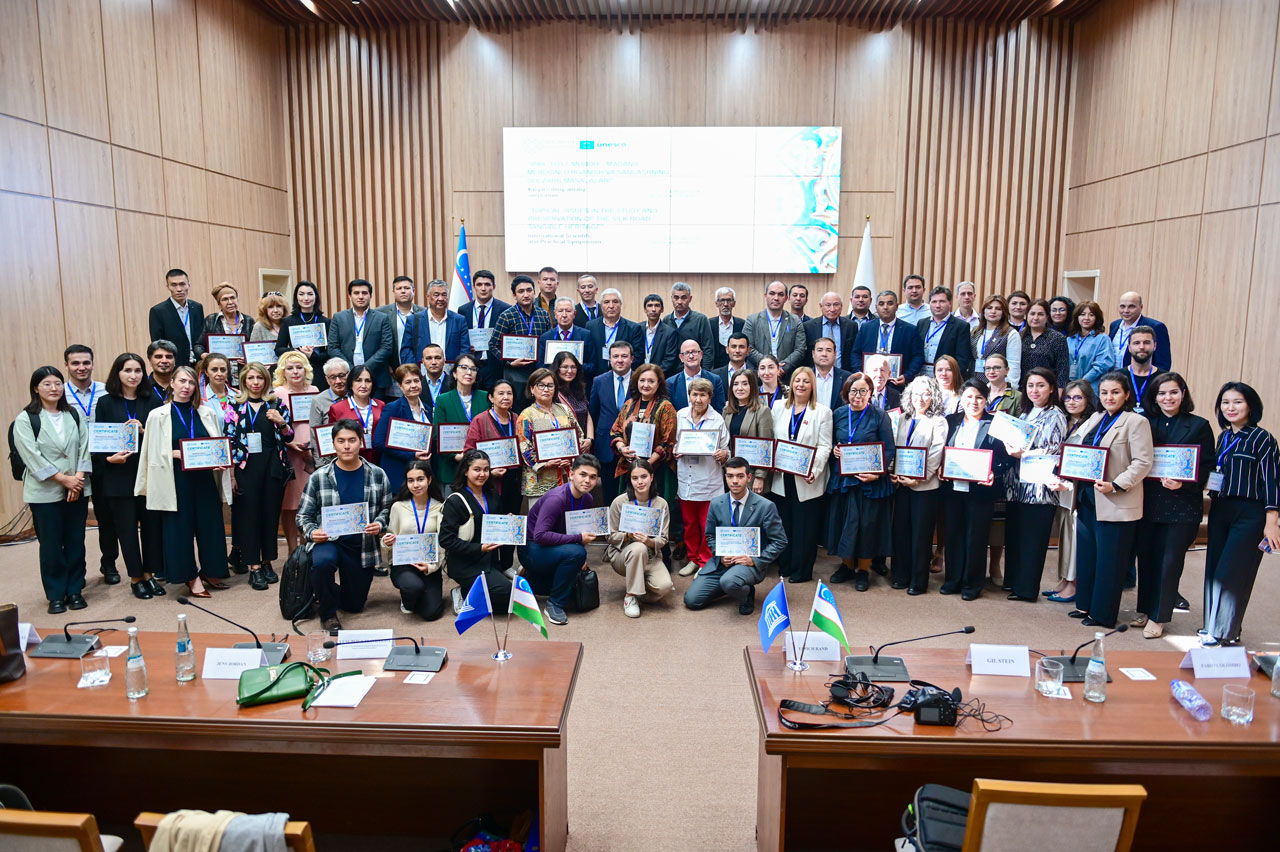
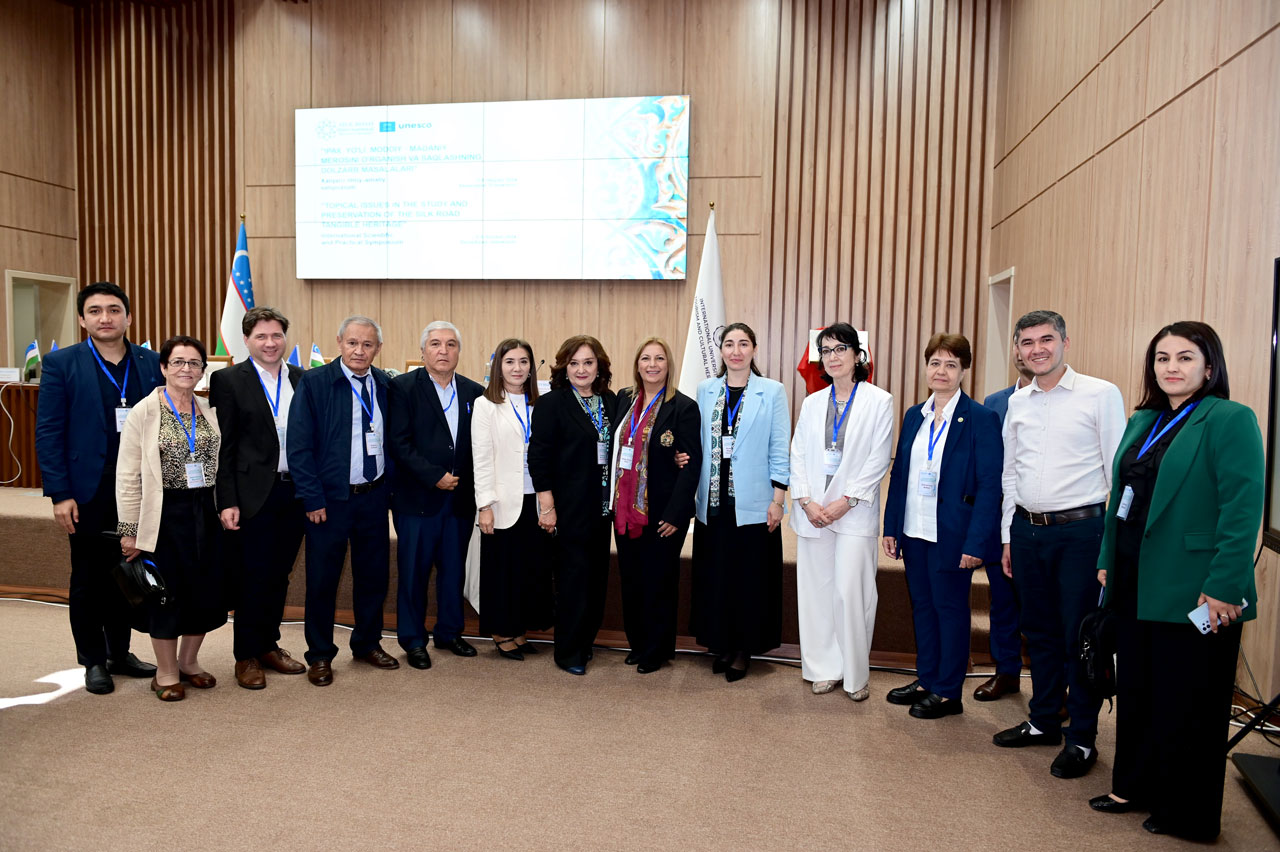
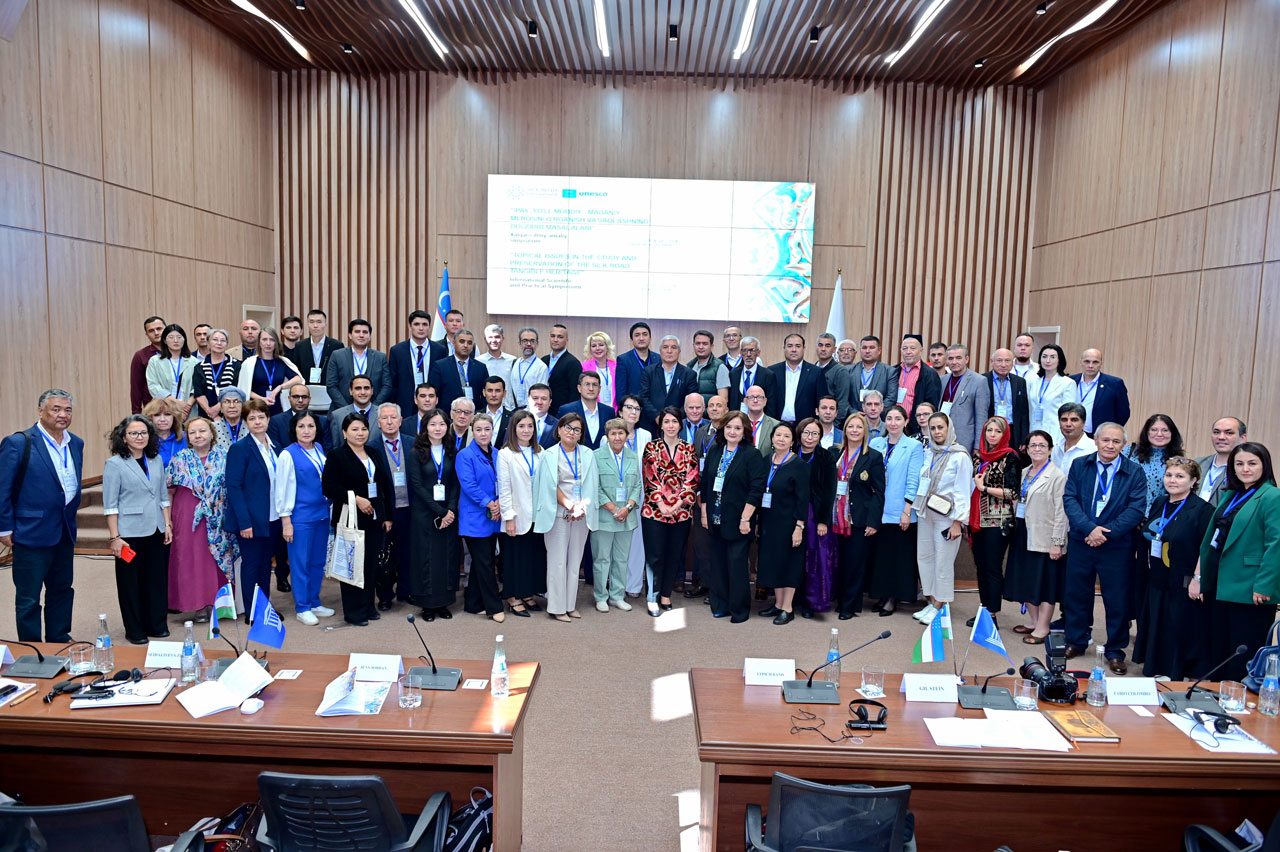
“Silk Road” International Research Institute, operational for less than six months, is actively working to expand its collaboration with international research and educational institutions, foundations, associations, and organizations focused on the study, preservation, and promotion of material cultural heritage. The Institute has already established partnerships with the UNESCO Office in Uzbekistan and the International Turkic Culture and Heritage Foundation (Baku). Additionally, it is in the process of finalizing memorandums of understanding with several other national and international organizations to further enhance its network and impact.
Brief About the Institute Building
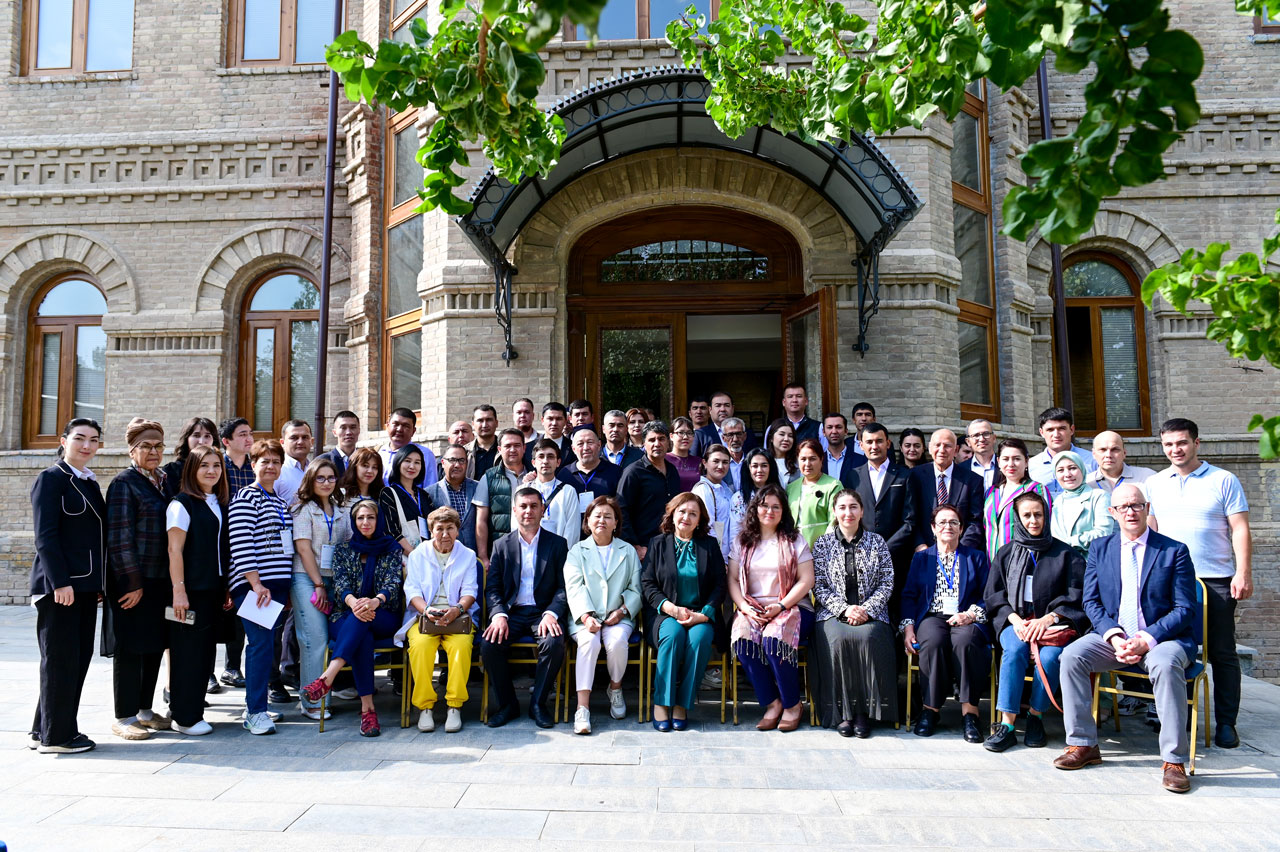
The Institute is located in a building constructed in 1890-1891 (as indicated on the attics above the two main entrances) for the Headquarters of the Samarkand Military District, located in the European part of Samarkand, which is part of the UNESCO World Heritage List.
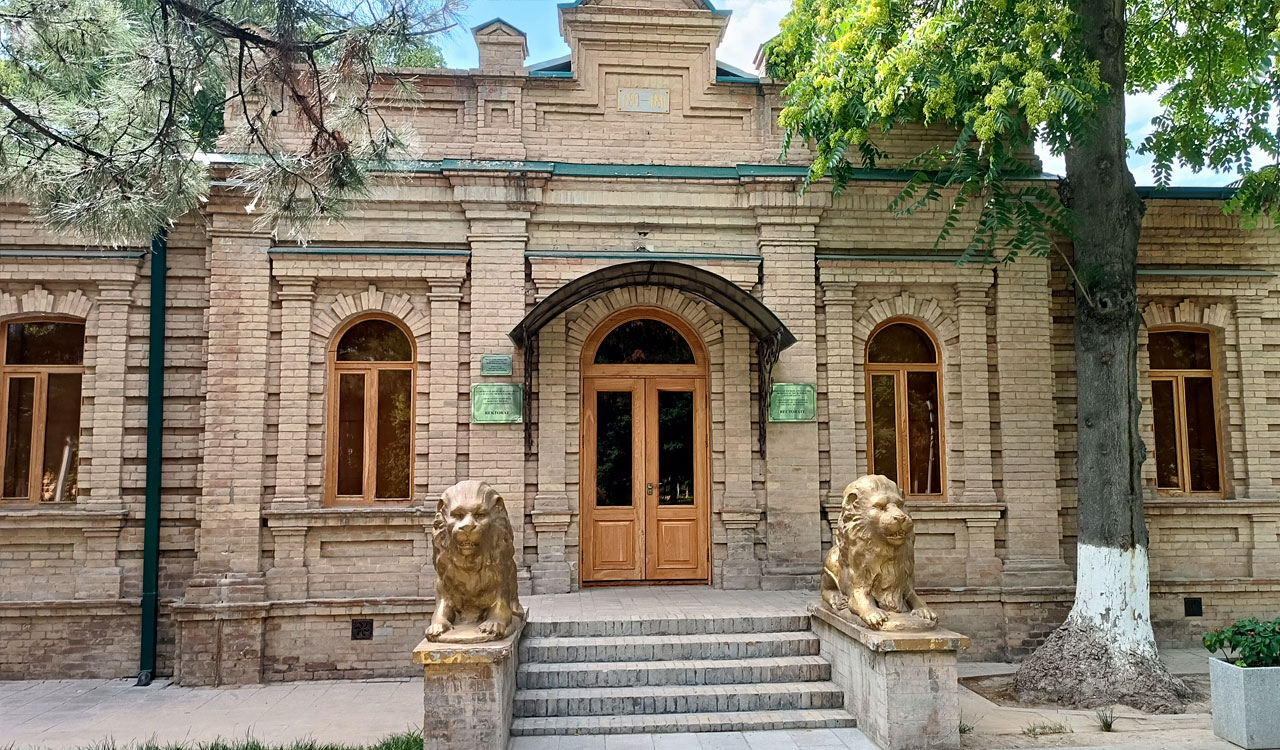
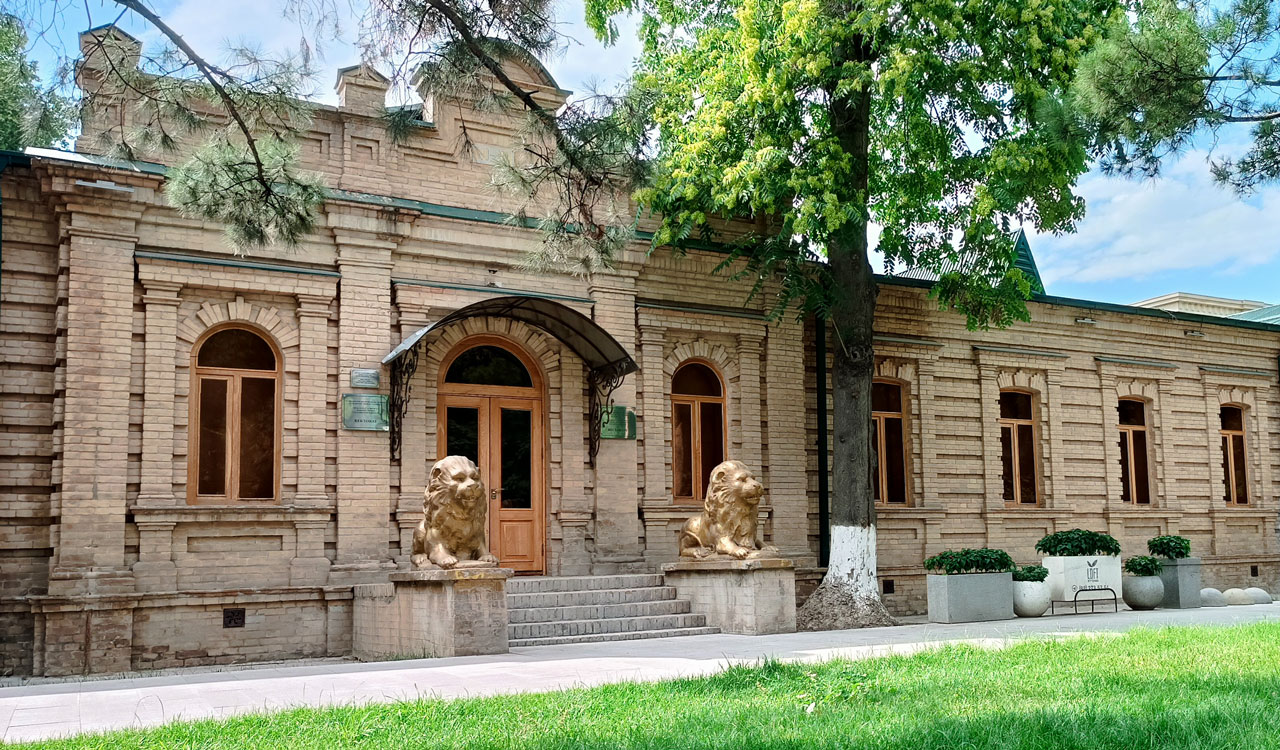
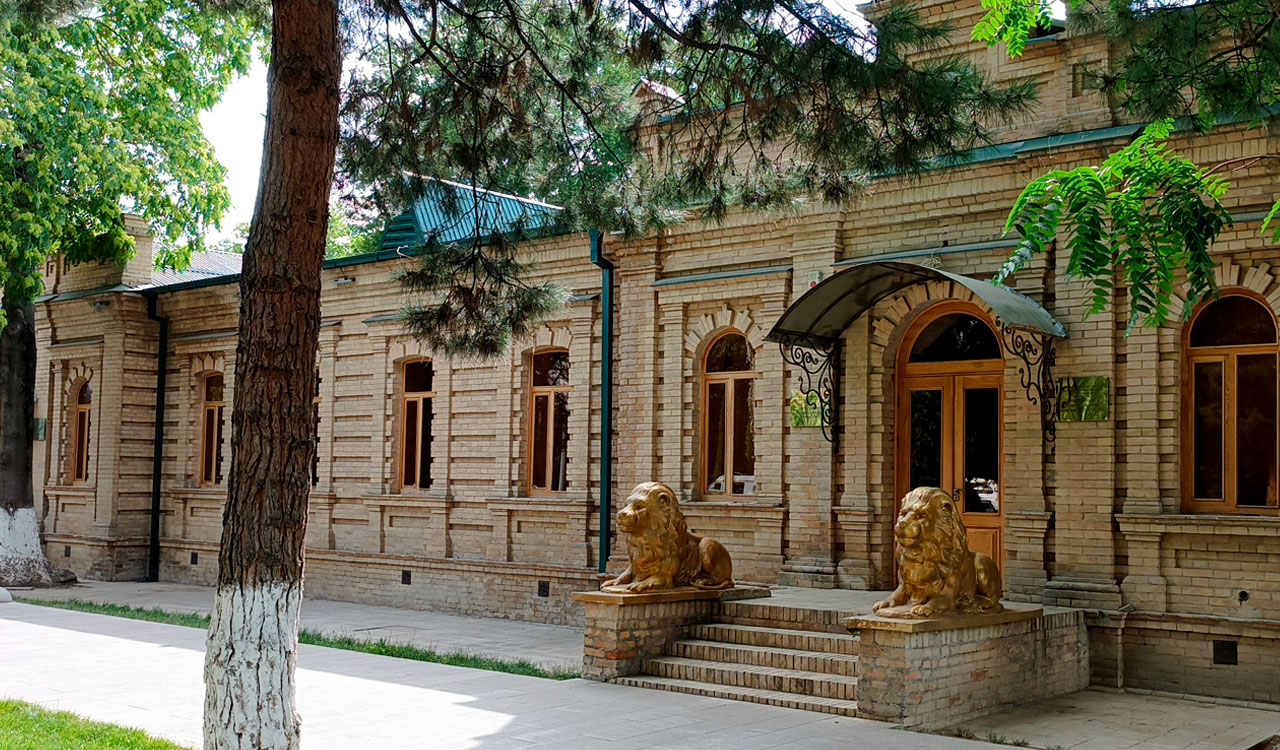
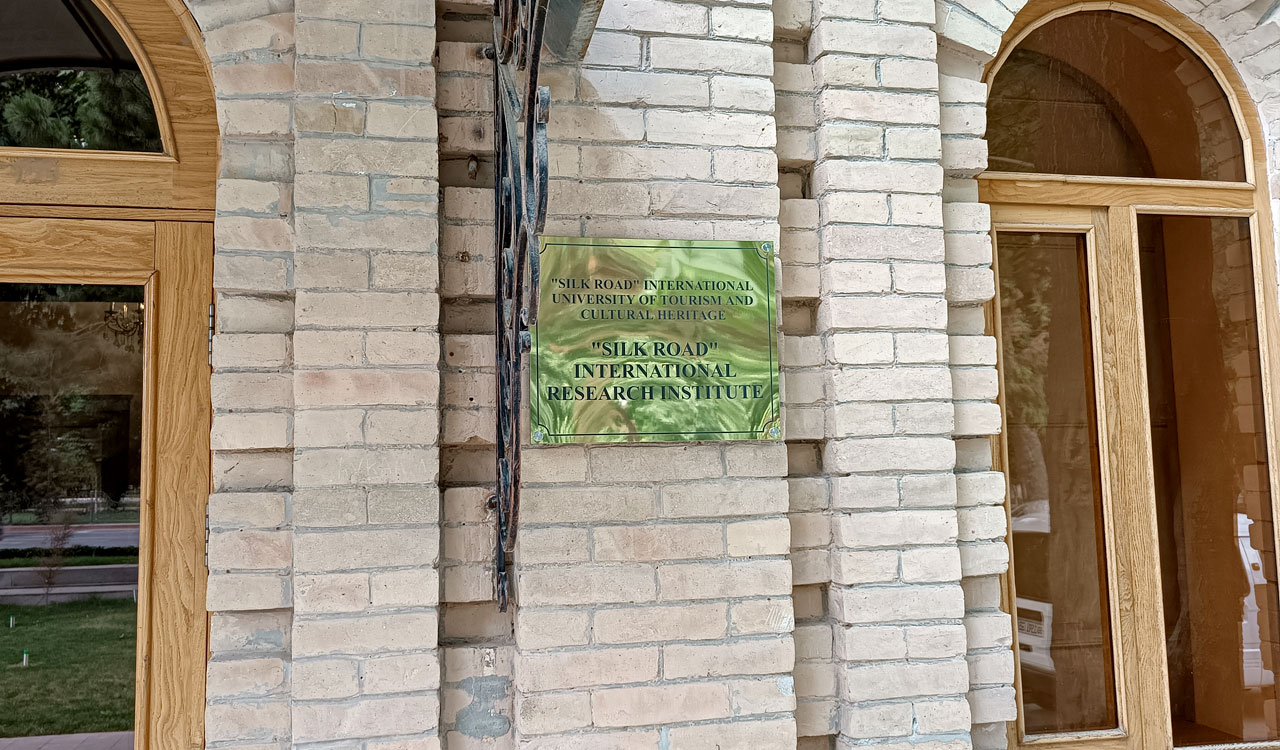
The single-story building, shaped like a "Г" in plan, is made of fired brick and is situated on a corner plot. The main facade faces the University Boulevard (formerly Abramovsky Boulevard), with richly decorated facades featuring relief brickwork. Voluminous brick pilasters, window and door surrounds, and other decorative details stand out against the background of horizontal rusticated brickwork. The main facade has two symmetrical entrances, each flanked by large sculpted golden lions. The first entrance leads to the rectorate of the “Silk Road” International University of Tourism and Cultural Heritage while the second leads to the second part of the building, housing the “Silk Road” International Research Institute.